Gifting the Catskills: Vintage Finds at Catskill Collectibles
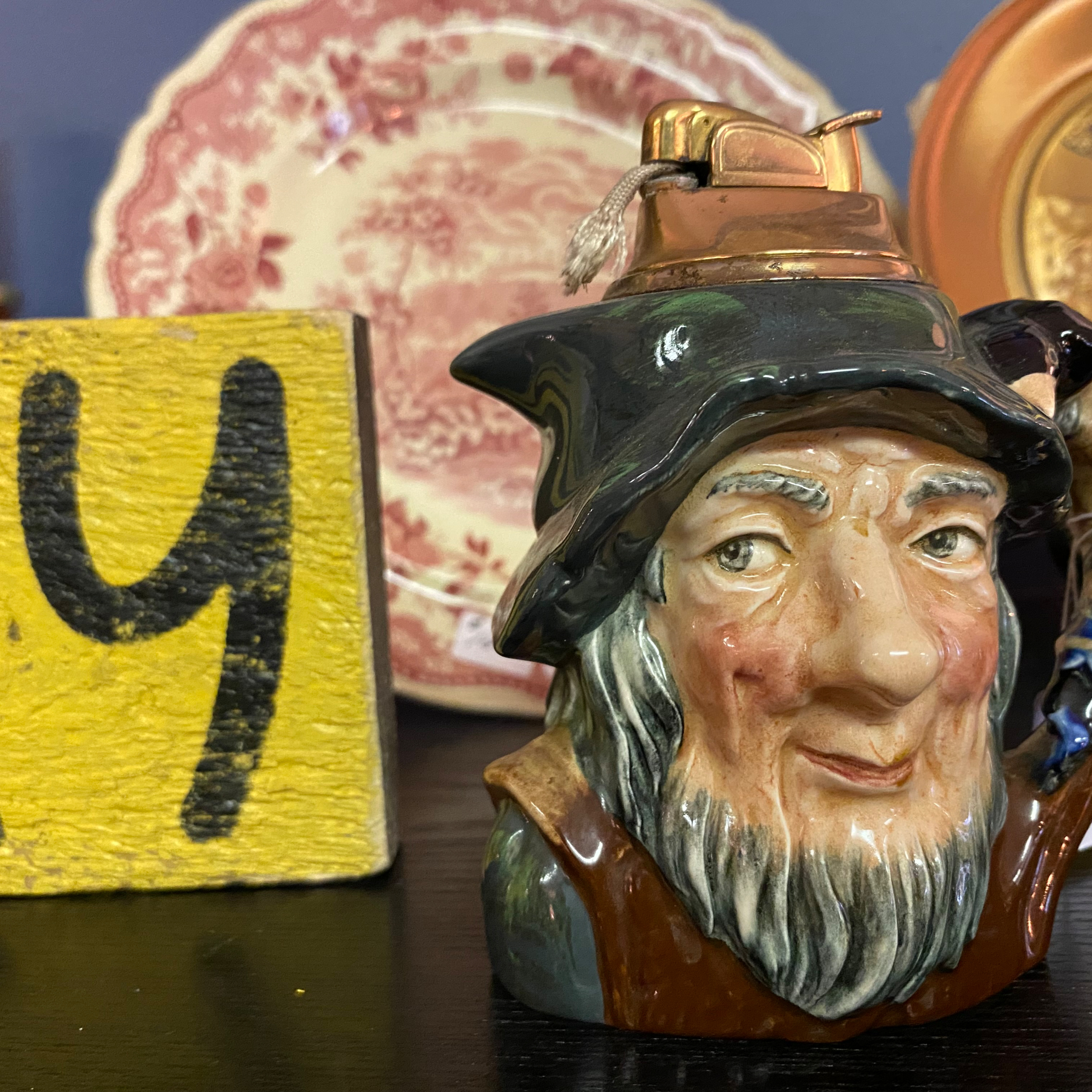


In this episode of Kaatscast, host Brett Barry visits Catskill Collectibles, a unique shop in Catskill, NY, curated by Tom Illari. The shop specializes in Catskills memorabilia, blending new creations with rare vintage items going back to the 19th century. Tom shares his journey from a finance career to running the shop and his lifelong passion for the Catskills, highlighted by his extensive personal collection of historical items. Brett and Tom chat about the nuanced relationship between the village of Catskill and the broader Catskills region, the resurgence of the area as a vacation destination, and the evolving interests of collectors and tourists alike.
00:00 Introduction to Catskill Collectibles
01:21 Tom Illari's Journey to Catskill
03:01 The Origins of Catskill Collectibles
04:57 From Personal Collection to Business
07:53 Expanding the Shop's Offerings
09:03 Showcasing Unique Vintage Items
15:38 The Community and Local Collaborations
16:56 Tom's Lifelong Connection to the Catskills
18:27 The Resurgence of the Catskills
19:22 Challenges and Future of Vintage Collecting
20:15 Customer Demographics and Shop Dynamics
21:46 Reflections and Future Plans
22:46 Holiday Shopping and Popular Items
23:35 Local Pronunciations and Community Insights
24:46 Catskill's Vibrant Main Street
26:42 Tom's Favorite Memories and Nature's Draw
28:19 How to Visit Catskill Collectibles
29:55 Conclusion and Podcast Information
Transcription by Jerome Kazlauskas
[00:00:00] Brett Barry: It is peak holiday shopping season and time to shop local, and if you're looking for a gift that really says, "The Catskills," well, there's a shop in Catskill where many of the items really do say, "The Catskills." This week, we are off to Catskill Collectibles, where owner Tom Illari curates a unique mix of Catskills memorabilia, including new creations and hard-to-find vintage wear that 19th-century gift givers might have purchased more than a century ago, from antique prints to vintage postcards to souvenir buttons, pennants, and plates. Catskill Collectibles is your go-to shop for that Catskills memento that's sure to delight even the most discriminating Catskiller on your holiday list. I met up with Tom Illari at his Catskill shop, where we pondered Catskills' relationship to the Catskills. I'm Brett Barry, and this is "Kaatscast: The Catskills Podcast." Now, I see some things in your shop that say, "Not the Catskills Catskill." What is this relationship between the Catskills and Catskill?
[00:01:21] Tom Illari: Yeah, it's an interesting one, so I'm not from the area. I grew up in Brooklyn and back in the nineties had acquired a weekend home in Palenville, and I was working in the city, and they're like, "Hey Tom, what are you doing this weekend?" I'm like, "Oh, I'm going up to Catskill. Oh, where in the Catskills?" You know, Catskill, you know, the majority of people back, you know, 30 years ago—maybe it's changed now—didn't even know Catskill as a village existed. Catskill was a region, an area like, oh, where are you going in the Catskills? This saying, "Not the Catskills, Catskill," was actually used as a marketing promotion for the Village of Catskill a few years back, and I took that and made it into a science. I think it has great meaning to it.
[00:02:05] Brett Barry: Is Catskill the Catskills?
[00:02:07] Tom Illari: It depends on who you ask, so it's within the region of the Catskills, but the actual mountains, if you are, you know, 15 miles west of here, so I've spoken to a number of people about this, and some say, "Well, you know, it depends on how you are defining the Catskills." You know, you could define the Catskills as Sullivan County too, with the Borscht Belt and the hotels that existed. They used to call that "The Catskills," you know, but originally the Catskills in the 1800s was basically green and alts like down to Overlook. That was the—when you spoke about the Catskills, that was the Catskills, and over time with tourism, it continued to expand west, south, and north a little bit to use, you know, the name in promotion for tourism.
[00:03:01] Brett Barry: So this year marks your 20th year in business?
[00:03:04] Tom Illari: Yes, yeah, so the Catskill Collectibles started about 20 years ago. Humble beginnings. I was at the farmer's market here in Catskill, down at Catskill Point. It was a very large farmer's market back then, and I had a booth started to sell vintage postcards, local regional ephemera, and some artwork books from my collection, and it was a hit, you know, so it was basically just doing it in the summertime on Saturdays. Then expanded a bit on eBay back then, in the early, early days of eBay, I guess. Then kind of shut it down for a few years. I was focused on my career in the city. I'm a finance guy. A CFO back then for a small tech company down in the city spent a lot of time focusing on that part of my life, and then brought Catskill Collectibles back about eight years ago on Etsy and started to sell quite a bit of vintage items on Etsy. In addition to having the Catskill Collectibles business, I also have a local bookkeeping and accounting business, and I was doing bookkeeping for some of the shops here on Main Street, and the shop that we are in right now became available, and someone mentioned it to me, and they're like, "Hey Tom, there's a retail shop." You ever think about it, and I'm like, "Retail?" No, but then I thought about it for maybe a week, and I contacted the landlord, and I'm like, "What do you want for, you know, what do you want for the space and this and that?" I'm like, "I'm gonna give it a shot." You know, it's something I've never done. It's a bit of a challenge, and, you know, here I am three and a half years later with the shop and the online business and still doing the accounting business.
[00:04:57] Brett Barry: Did this all start from your own collection of memorabilia and ephemera? Tell me about that beginning.
[00:05:03] Tom Illari: Yeah, so I want to go back a number of years. I grew up in Brooklyn back in the sixties. My parents decided to take my brother and I up here on vacation, and as a kid I just, like, wasn't. I loved it, you know, and my parents loved it too, so we would come up maybe, you know, four weekends or five weekends a year, and then a week in the summer. We were always up here, and I just, you know, I loved it so much—the hiking, the interest in nature—then I started to get involved with the local history, you know, looking at, you know, the Hudson River School and things like that and started collecting, started collecting vintage items, ephemera, and postcards, and started to get more involved with the past, you know, with the old hotels, the railroads, you know, how people got here. Why did they—why did they come? You know, and that started a collection. One weekend when I had the house in Palenville, I had some friends over from the city, and I'm showing them this collection I have, and one guy put the thought into my head, and he said, "Have you ever think of becoming like a reseller?" I'm like, "No, not really," so I started thinking about that and thinking, well, maybe it's time to start sharing some of what I have instead of, you know, keeping it hidden in a closet somewhere and pulling it out on special occasions, so that's basically how the business started, and again, it was at the farmer's market in Catskill.
[00:06:43] Brett Barry: Are you still a collector, and if so, how do you decide what to hold onto?
[00:06:48] Tom Illari: That's a difficult question because I am still a collector, and, you know, I'll give you an example. I have something at my house that is a complete tea set from the Catskill Mountain House. You know, the pitcher, cream of sugar, six plates, cup sauces, the whole thing. I'll never part with that, you know, so there are certain things I have that I can't part with, and nor will I split up, you know, to sell individual pieces. I don't think that's the right thing to do, so anything that is in my collection now at home, I've instructed my son that when the time comes, it's gonna be donated to a local historical society, but it's difficult. You know, sometimes people come in and say, "Hey Tom, do you have, like, the plate, the Mountain House plate with the cats around the perimeter, and this and that?" And I'm looking over at a shelf in my living room. I'm like, "Yeah, I do," but, you know, over the last three years, I've sold off quite a bit of my collection, and it's enjoying some new homes now, which makes me feel good too.
[00:07:53] Brett Barry: Ultimately, you expanded from vintage ephemera to new product reproductions?
[00:08:00] Tom Illari: Yes.
[00:08:00] Brett Barry: All kinds of things. I mean, the shop is chock-full of Catskill merchandise.
[00:08:05] Tom Illari: Yeah, so the amount of people who are collecting it is a limited group of people, obviously, so when I first opened the shop, I would say the shop was like 70% vintage, and I had some newly made signs and some new souvenirs, but then what I realized looking at, you know, what people were looking for when they were shopping along Main Street in Catskill, not necessarily vintage plates from the Catskill Mountain House but a souvenir to bring home for their recent visit, and they were asking me, you know, "Do you have mugs? Do you have magnets?" You know, something that's new that they can bring home because they're not looking to spend, you know, lots of money on old vintage, you know, hotel plates or anything like that, so there was a market that I wasn't sure existed here until I opened the shop, and I soon realized that there was a need for new items for people to bring home as souvenirs.
[00:09:03] Brett Barry: Can you show me some of the special items here, particularly some of these vintage plates and things that you have kind of in this case here?
[00:09:11] Tom Illari: This one here is probably the most. It's the most rare and the most expensive, so this is a vintage plate, a vintage souvenir, Catskill Mountain House [probably 1840s], and what makes it interesting is that there's this image of the Mountain House in the center of the plate, but it's lined with shells, which I have nothing to do with.
[00:09:33] Brett Barry: Well, it goes back to the Devonian Period.
[00:09:36] Tom Illari: Yeah, exactly, it has nothing really to do with the mountains except, yeah, for fossil hunters, and there's another plate, which I think I have anymore. I sold it. That had the perimeters lined with cats, which is really cool. Yeah, so this is a popular plate, pretty rare.
[00:09:54] Brett Barry: That rich cobalt blue souvenir plate can be yours for $475. Right next to it is a ceramic pitcher depicting old Rip Van Winkle.
[00:10:06] Tom Illari: Rip Van Winkle: very popular, so this was—this is a picture that's made by Buffalo Ceramics, I believe, in Buffalo, New York, back in the early 1900s, late 1800s. It's a popular image for collector souvenir. Collectors are coming up. Everything up here was Rip Van Winkle and was through the sixties and still is to some extent now. A lot of people come in my shop and ask, "Who was Rip Van Winkle? Why is he everywhere?" So that's an interesting piece. I have some books from the 1800s, which have great images in there on Rip Van Winkle. If you come over here, this section basically has souvenirs, you know, that go back to probably as far back as the 1920s or '30s. Some of them, you know, back when Catskill Game Farm was a very popular destination. Carson City, Toy City, which was right next to Carson City.
[00:11:06] Brett Barry: I never heard of Toy City.
[00:11:07] Tom Illari: Toy City was—they had—I used to take my son there. They had a large-covered miniature golf course, so if it was raining, like, what do you do with the kids? It's a good, great place to go. Great place to go, but, you know, vintage items, you know, pencil holders, banks, napkin holders...
[00:11:27] Brett Barry: Salt and pepper shakers?
[00:11:28] Tom Illari: Salt and pepper shakers and ashtrays were very popular back then and very popular too. Even when I was a kid, I don't have them anymore, but these cedar jewelry boxes or trinket boxes were very popular. Then in the back of the shop, I have a lot of ephemera, stationery from old hotels, booklets, steamship timetables, and travel guides.
[00:11:52] Brett Barry: Tom leads me to the back room with art, ephemera, and vintage posters.
[00:11:57] Tom Illari: So these are vintage souvenir booklets with old pictures, early, probably, say, 1920s, of the various popular destinations, whether they're hotels or waterfalls or different spots within the Catskills, and other ephemera like stock certificates from the old railroads, newspapers, receipts, lots of receipts from old hotels, booklets from different events, different types of charity balls, and...
[00:12:29] Brett Barry: Yeah, let's take a look at this one here. It's got a grocery receipt to Edson A. Young, a dealer in groceries, fruits, and vegetables in Catskill, New York.
[00:12:39] Tom Illari: Yeah.
[00:12:39] Brett Barry: Got a pack of potatoes: 65 cents, three cigars: 20 cents, camp beans, a can of herring...
[00:12:48] Tom Illari: Yeah.
[00:12:48] Brett Barry: ...a grand total of $2.01.
[00:12:50] Tom Illari: It's probably a lot of money too.
[00:12:52] Brett Barry: October 18, 1929?
[00:12:53] Tom Illari: 1929, so what happens? I keep ephemera like this in the shop because people come in and say, "Hey, my grandfather owned a grocery store on Main Street, or my great-grandfather had a boarding house over in Leeds. Do you have anything on that?" You know, and there were hundreds of boarding houses, so the chance of me having anything is pretty rare, but every now and then, I'm like, "I do have something, you know," and that just makes people very happy when they come by and they say, "Oh, he has something here," so I keep items like this for those special occasions. They typically just sit here until someone finds a connection to them.
[00:13:35] Brett Barry: Some Milton Glaser posters of the Catskills, those classic cats emerging from the mountains?
[00:13:41] Tom Illari: Yeah, I was lucky enough to become friends with a lady here in Catskill who worked with Milton Glaser, and she had a number of posters in her house, and a lot of them are here on consignment. I do have some copies of this style poster, and this one too is very popular. This is Milton Glaser, who was a Catskill cuisine poster [September 21st at Windows on the World, 1999], where there was a special event of Catskill cuisine at the Trade Center. Another popular—more popular—items are these Bartlett prints. Bartlett did steel engravings. Anything that's colored is hand-colored. They're from travel guides, mostly European travel guides, and they're very popular with collectors. They're probably from the 1840s through the 1870s, and I also have carried reproductions of these for people who don't want to spend the money on the originals. I do offer reproductions.
[00:14:44] Brett Barry: Where do you source the vintage material now? Are you still actively buying it and always kind of on the lookout?
[00:14:52] Tom Illari: Constantly on the lookout. Every day I'm looking online at auction houses, and one of the nice things since I've opened the shop is people know I'm here, so some people will come in with vintage items, whether they're lithographs or items from the old Catskill Game Farm, for example. They'll come in with a box, like, "Hey Tom, have a look. Let me know what you think," and they'll leave it with me. I'll go through it, and that's turned out to be very popular now too, with people reaching out to me saying, "Hey, I have something. Do you want it?" You know, let's talk, so that's been good, and again, online too. I'm constantly looking and asking people. I know the collectors around town. I'm like, "If you have any duplicates of anything, you know, give a shout and let me know." Maybe we can talk, so...
[00:15:38] Brett Barry: And then you've got some really nice wood signs here that are made to look vintage, but it looks like they're made on barnwood or something like that with...
[00:15:46] Tom Illari: They are. My friend makes these. They're made in Stamford, New York. They're made from reclaimed barnwood and silo wood, and they've been very happy selling different village town signs, but they also have expanded into other signs too, which you could see throughout the shop and also anything that you see here can also be made custom, so if you went to the town that I don't have, I can always order one.
[00:16:13] Brett Barry: Yeah, these seem like mostly Greene County towns, so I don't see mine there.
[00:16:18] Tom Illari: Yeah, I try to keep it local at least. You know, I started with, like, four of them. It was Catskill, Leeds, Palenville... I think Round Top, you know, and then I've already expanded to this, but a lot of people come in, even from Hudson, New York. They'll come over the river, and I'll have Hudson, New York, signs made for them if they like.
[00:16:39] Brett Barry: And there is one that says Brooklyn.
[00:16:41] Tom Illari: Yes, so the obvious thing here is that I get a lot of tourists from Brooklyn, and yep, I sell Brooklyn/Catskill, New York, combined to a lot of people who come visit here, yeah.
[00:16:56] Brett Barry: What drove you to collect in the first place?
[00:16:59] Tom Illari: Interest. You know, like I said, coming up here as a child in the sixties, I always enjoyed being here, and so I started to look at other things. I got, you know, even as a young kid, I got involved, you know, hiking in the creeks, looking for fossils, and just trying, you know, got to the point where I was reading about geology and the ice age and how the mountains were formed, how they were uplifted, and, you know, all this geology and scientific stuff that was helping me learn about the area that I love, that I just loved being in, and that just started to expand into, like I said, the Hudson River School, and by reading about the history, I learned about the old hotels: The Mountain House, The Kaaterskill, you know, The Laurel House were the three main ones and hundreds of boarding houses that popped up in roadside attractions, and that I even remember as a child, and so as these things disappeared in my lifetime, you know, I started to collect because it brought back good memories for me. You know, I wasn't around when the Mountain House was open, but there was a significant part of the history of this region and what transformed, you know, the United States, you know, the first vacationland in the Northeast that got me into collecting. You know, just having this interest in this space, you know, where we are here.
[00:18:27] Brett Barry: Are you seeing a resurgence in the Catskills as vacationland?
[00:18:32] Tom Illari: Absolutely, and people are buying homes up here and getting out of the city, and what I try to do, and what I'm hoping to do, is to promote some of the history about it. You know, it's not just what you see now. You know, coming up here, people will come in the shop and ask me, "What was Rip Van Winkle? Why is there a statue of him up on Main Street?" And I'll explain, you know, the story to them and tell them why that was significant here, you know, especially for tourism, but it was also, you know, American literature, you know, so there was definitely a resurgence. There's no question. What I would like to become part of is to help people who come here understand what was here before and appreciate that if possible.
[00:19:22] Brett Barry: Are you seeing the inventory of vintage goods out in the marketplace diminishing? Do you ever worry that it'll dry up?
[00:19:31] Tom Illari: I don't worry that it will dry up, but I do see it diminishing, and on certain items, I see prices skyrocketing, so, you know, I look at a piece that, maybe five years ago, I sold for $60. Now, I can't buy it for less than $200, so yeah, I do see that, and I think from a lot of collectors that I've spoken to here, local collectors, they're just holding on. You know, I don't know what they're holding on for. Eventually, maybe they think they can make millions, I don't know, but there's definitely a change in the past, I'd say 10 years, especially post-COVID.
[00:20:15] Brett Barry: Who are your customers? Are they regulars or weekenders? What's the mix?
[00:20:21] Tom Illari: Just by the type of shop I have, I have collectors, obviously, and that's how the business first started. What it's transformed into was tourists, which is why so much of the shop now is geared towards the tourist industry, and a smaller portion of the shop now is geared towards collectors simply because of the balance of people coming in and what they're looking for and what I can [you know how to sustain a business], and so when I was just online, the majority of people were collectors, and [still are] those that are online, and it's interesting, you know, the stuff that I sell online, most of it's not shipped locally. It's people who grew up here, we taught in Florida, they're in Nevada, they're somewhere else, or they're in the city, but what's happened with the shop is that, you know, a local collector will come in. A lot of locals do come in, but, you know, they already have stuff from the Catskill Game Farm, and, you know, a lot of stuff that I'm selling, they tell me, "Oh, I have this at home," you know, so they come in to entertain, you know, be entertained by this, what I have here. You know, I had one lady say to me, "You are like a museum," you know, so it brings back memories of people's childhoods or when they took their kids to local attractions and stuff like that, so you're tugging at someone's emotions many times looking at these items. Lately, I would say the mix now is primarily tourists.
[00:21:41] Brett Barry: Now that this retail space has been going for?
[00:21:44] Tom Illari: Three and a half years.
[00:21:46] Brett Barry: Here, right in the center of Historic Catskill, did you ever think that you'd be running a shop?
[00:21:52] Tom Illari: Never, never. If you told me four years ago, I'd have a retail shop on Main Street. I'm like, "You're crazy," because it's not something that was ever on my radar. You know, I was building a bookkeeping accounting practice, which now I cut back on because I need to devote the time. This takes a lot of time, believe it or not.
[00:22:12] Brett Barry: I believe it.
[00:22:12] Tom Illari: Yeah, you know, it's not just being in the shop. It's, you know, what I'm thinking about. Okay, the holidays are coming up. What do I need? What's going to sell this year? What sold last year? How many signs do I need? You know, because once December hits, you know, getting an order in is almost impossible if I run out of anything, so no, I never, never would've dreamed that I would ever retail shop, but now that I have it. I love it. You know, I don't think there's any way I'm, you know, I would never think of shutting this down at this point.
[00:22:46] Brett Barry: What are your predictions for the holidays? What are some of the hot items that people will be gravitating toward?
[00:22:54] Tom Illari: Hmm, so big items are wood signs. You can see I have quite a bit of them in the shop. Books are big items. Other things that sell, like, even, you know, people want to give gifts of, you know, maple syrups and honeys and jams that I sell are very popular mugs and soaps. Those types of items sell, and every now and then someone will come in, and it's like, "My husband's a collector. What do you have?" You know, and then, you know, then they'll have a real collectors' sale, you know, but typically the stuff that sells for Christmas in prints—you can see I have a lot of prints in the shop, whether reproduction prints or not.
[00:23:33] Brett Barry: I thought it might be fun to read some of these wood signs because the town names for people who are not from around here are not really intuitive, so we've got...
[00:23:46] Tom Illari: Cairo?
[00:23:47] Brett Barry: Cairo. Cairo, which...
[00:23:48] Tom Illari: Am I saying that right, Cairo? Yeah.
[00:23:51] Brett Barry: Kiskatom?
[00:23:52] Tom Illari: Yes.
[00:23:52] Brett Barry: Okay, is it Accra or Accra? This is where Tom's cashier, a Catskill native, helps out with some local pronunciations.
[00:24:00] Tom Illari: I mess it up sometimes.
[00:24:01] Brett Barry: Alright now, this one I don't think is Coxsackie. Is it Coxsackie?
[00:24:07] Female Speaker: Coxsackie.
[00:24:07] Brett Barry: Yeah.
[00:24:07] Tom Illari: Coxsackie.
[00:24:08] Brett Barry: And we're getting a little...
[00:24:09] Tom Illari: it's like, "COOK," right? C-O-O-K. It's like Coxsackie, yeah.
[00:24:14] Brett Barry: Gayhead. I'm not sure where that is.
[00:24:17] Female Speaker: Gayhead is near Earlton. It's in the Cairo area.
[00:24:19] Tom Illari: Gayhead, Accra, and Round Top are all hamlets of Cairo. Palenville and Kiskatom are hamlets of Catskill.
[00:24:32] Brett Barry: And Brooklyn, hamlet of New York.
[00:24:34] Tom Illari: Yes.
[00:24:37] Brett Barry: Tell me a little bit more about this village, this community, and the other shops around you, and, you know, what is the community here?
[00:24:46] Tom Illari: Yeah, so post-COVID, maybe even a little before, there's been a substantial change with the type of businesses that are opening up here. You know, there are some interesting shops with unique items and unique offerings. The lady next door to me, she makes her own furniture. There's a cat on the corner shop. I don't know if you've seen that. Everything in that shop is focused just on cats, and people love cats in Catskill because we have the cat statues outside on Main Street during the summer, and the local theater just reopened, which is tremendous for Main Street. It's been closed for many years, and everyone's been looking forward for that to happen—a new Greek restaurant has opened—a great Italian restaurant in town, so there's a lot of things happening, and it's a lot of, you know, you're not seeing empty storefronts anymore, and what's happening also is, you know, we sign to have more events, so at Christmas time we have, you know, a parade down the street. At Halloween, we have an event for the kids on Main Street. At the winter solstice, we close Main Street and have parades and music, and the street is lined with fire pits, and it's a very popular evening, so it's nice to see Main Street coming back. You know, it's not the Main Street that people remember with the grocery stores, and, you know, that's all changed. I know people reminisce about that, but in order, you know, you can't compete with the Walmarts and the grocery stores and the big box stores anymore, so, you know, for stores to survive, they have to come up with some unique ideas, you know, and mine is everything in this shop is focused on the Catskills, the region, and I try to make sure it's either made here or was from here or somehow is related to the area.
[00:26:42] Brett Barry: What have been your favorite memories looking back, Tom, of coming up here for pretty much your whole life in one way or another?
[00:26:50] Tom Illari: Yeah, it pretty much has been, so yeah, I came up here when I was five years old. What I liked first thing that came to mind when you said that was the outdoors. You know, when I came up here as a kid, it's very different than growing up in Brooklyn, so, you know, it was being outdoors and hiking and the creeks and the mountains, so the best memories I have are of thinking, and I even have lots of photographs of it too. So my dad was a photographer, and we would spend a lot of time outdoors, hiking, looking, finding old foundations in the woods, you know, and just that whole aspect of discovery that could not take place in Manhattan or in Brooklyn, you know.
[00:27:35] Brett Barry: And that part of the Catskills really hasn't changed, has it? So kids these days have those same opportunities if they want.
[00:27:41] Tom Illari: It hasn't, and I'm going to give a plug here. So the first hotel that we came to in 1965 was Winter Clove in Round Top, and to this day on Sundays, usually on a nicer day than today, you'll find me there. I'll take my dogs, and we—I go walking around the old trails back there like I did a long time ago, you know, in the sixties, so I still—it still draws me back. I still go there. The dogs love it too, and so I'm still going back there. It's still—there's still that aspect of nature and wanting to be part of the surroundings here, the natural surroundings.
[00:28:19] Brett Barry: Tom, how can people find you?
[00:28:22] Tom Illari: I am all over the place, so you can google "Catskill Collectibles." You can google my name. It's Tom Illari, I-L-L-A-R-I. I'm on Facebook. I'm on Instagram.
[00:28:35] Brett Barry: And your physical location?
[00:28:38] Tom Illari: It is 386 Main Street in Catskill. The shop is open Friday, Saturday, and Sunday for the winter. However, I live in Catskill, so if someone is interested in seeing something that I have, they see something on Etsy, and they want to come in the shop and actually see it, I'll come by and open the shop for them. I'm only, you know, three minutes away, so it's not a problem.
[00:29:00] Brett Barry: You don't get that kind of service at Walmart?
[00:29:02] Tom Illari: No, no, but yeah, I'm happy to accommodate people who may not be around on the hours that I'm open but really want to see something or purchase something or even come in and talk. You know, I get a number of people who come in and just want to talk about the history, and, like, "Oh, I came up here when I was young, a kid." We have these conversations of, you know, bringing up the old memories. Oh, remember this? Remember that, and so that happens a lot too if people come in and just want to chat. That's why I have a chair next to... I have two chairs back there because people will come in and sit for an hour with me, and they're more than welcome to anytime they want. I actually enjoy that a lot, and hearing, you know, hearing their memories and sharing experiences is very pleasurable.
[00:29:55] Brett Barry: "Kaatscast: The Catskills Podcast" is a production of Silver Hollow Audio. If you'd like to sponsor the show, we have a clean slate for 2026, so now would be a great time to get in touch. Just send us a message through the contact form at kaatscast.com, and we'll get right back to you. Every local sponsor really does help keep the audiotape rolling. "Kaatscast" is now broadcasting from WJFF Radio Catskill Saturdays at 11:00 AM. Tune in at 90.5 FM or on wjffradio.org for our hour-long broadcast featuring updated and expanded stories plus brand-new material, and, of course, you can visit us anytime at kaatscast.com and wherever you get your podcasts. Transcripts by Jerome Kazlauskas, announcements by Campbell Brown, and I'm Brett Barry, host and producer. Please subscribe, rate, and review to help other listeners discover the show, and you can follow us on Instagram [@kaatscast]. Thanks! We'll see you next time.
[00:31:03] Campbell Brown: "Kaatscast" is sponsored by The Mountain Eagle, covering Delaware, Greene, and Schoharie counties, including brands for local regions like The Windham Weekly, Schoharie News, and The Catskills Chronicle. For more information, call (518) 763-6854 or email mountaineaglenews@gmail.com.


